
Helping Diabetic Pets Live Full, Comfortable Lives
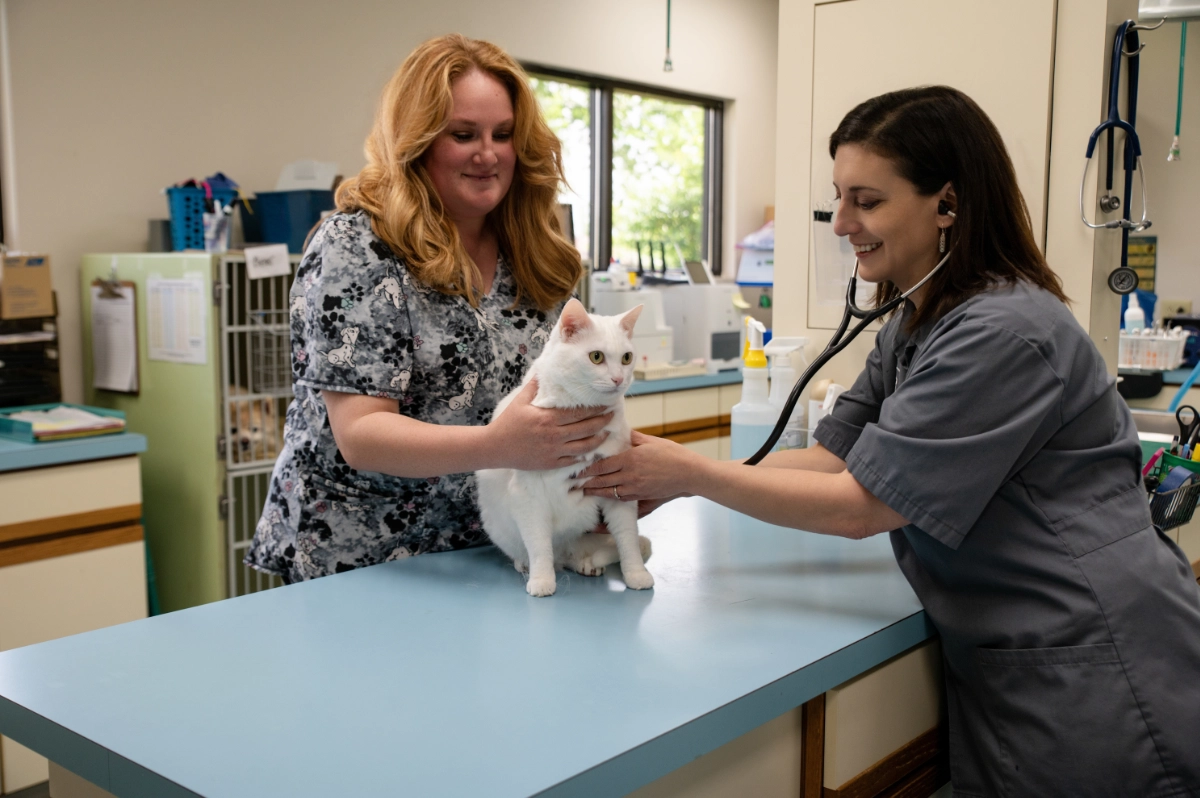
A diabetes diagnosis can feel overwhelming, but many dogs and cats with diabetes go on to enjoy active, happy years with the right care. At Shiloh Animal Hospital in Dayton, OH, we diagnose diabetes, build a treatment plan that fits your pet and your household, and stay with you through every glucose check and insulin adjustment. If your pet is drinking more, urinating more or losing weight, call us at (937) 278-3484.
What Is Diabetes in Pets?
Diabetes mellitus happens when your pet’s body can’t make enough insulin or can’t use insulin properly. Insulin moves sugar (glucose) from the bloodstream into cells, where it’s used for energy. Without it, sugar builds up in the blood and spills into the urine, while the body’s cells are starved for fuel. Over time, uncontrolled diabetes affects nearly every organ system.
Dogs most often develop a form that requires lifelong insulin. Cats frequently develop a type linked to insulin resistance, and some cats can go into remission when diabetes is caught early and managed closely. Diabetes is one of the many conditions we treat at our Dayton hospital.
Signs Your Dog or Cat May Have Diabetes
Early signs are easy to miss because they develop gradually. Watch for:
- Drinking much more water than usual
- Urinating more often, larger clumps in the litter box or accidents in the house
- Increased appetite with weight loss
- Lethargy or less interest in play
- Cloudy eyes or sudden vision changes in dogs (diabetic cataracts)
- Weakness in the back legs or a flat-footed, “dropped hock” stance in cats
- Recurring infections, especially urinary tract infections
Vomiting, refusing food, severe weakness or a sweet odor on the breath can signal diabetic ketoacidosis, a life-threatening complication. If you see these signs, contact us right away or visit our emergency services page for guidance.
Risk Factors for Pet Diabetes
Any pet can develop diabetes, but some are at higher risk. Middle-aged and senior pets are diagnosed most often. Excess weight is one of the biggest risk factors, especially in cats, which is why managing obesity plays a key role in prevention. Pancreatitis, certain hormone disorders, long-term steroid use and genetics can also contribute. Routine visits, like those described in the importance of annual exams, help us spot changes in weight and blood work before symptoms become serious.
How We Diagnose Diabetes
Diagnosis starts with a thorough physical exam and a conversation about your pet’s habits at home. Our veterinarians then use blood work and a urinalysis to check glucose levels, look for sugar or ketones in the urine and evaluate overall organ health. Because conditions such as kidney disease and hyperthyroidism can cause similar signs like increased thirst and weight loss, we make sure we have the full picture before starting treatment.
Treating and Managing Diabetes
Every diabetic pet is different, so our veterinary team tailors the plan to your pet’s needs and your daily routine. Treatment usually includes:
- Insulin therapy: Most diabetic pets need insulin injections, typically given twice a day with meals. We’ll show you how to store insulin, draw up the dose and give injections comfortably and confidently.
- Diet changes: Consistent meals and a diet suited to diabetes help keep blood sugar steady. Cats often do well on higher-protein, lower-carbohydrate diets.
- Weight management: Gradual, safe weight loss can improve how your pet’s body responds to insulin.
- Glucose monitoring: Blood glucose curves and rechecks help us fine-tune the insulin dose over time.
- Treating related problems: We address infections, dental issues or other conditions that can make diabetes harder to control.
Our in-house pharmacy makes it easy to get insulin and supplies, and you can request a prescription refill online so you never run short.
Living With a Diabetic Pet
Consistency is the key to success. Feeding and insulin at the same times each day, tracking water intake and appetite, and keeping regular recheck appointments all help keep your pet stable. Learn the signs of low blood sugar, such as weakness, wobbling, trembling or seizures, and keep a small amount of corn syrup or honey on hand to rub on the gums while you call us. Ongoing care is an investment, and options like pet insurance and CareCredit can help you plan for it. You can explore all of our veterinary services to see how we support pets at every stage of life.
Diabetes FAQs
Can diabetes in pets be cured?
Diabetes in dogs is usually lifelong and requires ongoing insulin. Some cats can go into remission, meaning they no longer need insulin, when diabetes is diagnosed early and managed with insulin, diet and weight loss. Even in remission, these cats need monitoring because diabetes can return.
Will I have to give my pet shots every day?
Most diabetic pets need insulin injections twice daily, usually with meals. The needles are very small, and most pets tolerate injections well. Our team will teach you how to give them and answer your questions until you feel comfortable.
How often will my diabetic pet need to see the vet?
Visits are more frequent at first while we find the right insulin dose, often every one to two weeks. Once your pet is stable, rechecks are typically every three to six months, or sooner if you notice changes at home.
What should I do if my pet seems weak or shaky after insulin?
Weakness, trembling, wobbling or seizures can mean blood sugar is too low. Rub a small amount of corn syrup or honey on your pet’s gums and call Shiloh Animal Hospital at (937) 278-3484 right away. Do not give another insulin dose until you’ve spoken with a veterinarian.
What if my diabetic pet won’t eat?
Don’t give a full insulin dose to a pet that hasn’t eaten, as this can cause dangerously low blood sugar. Call us for guidance. A loss of appetite in a diabetic pet can also signal complications that need prompt attention.
Can I prevent diabetes in my dog or cat?
Not every case can be prevented, but keeping your pet at a healthy weight, feeding an appropriate diet, encouraging daily activity and scheduling annual exams with blood work all lower the risk and help catch problems early.
Can diabetic pets stay at your hospital while I travel?
Many stable diabetic pets do well in a setting where trained staff can keep up with their insulin and feeding schedule. Contact our team to discuss your pet’s needs before you book.
Get Your Pet’s Blood Sugar Under Control
If you’ve noticed increased thirst, frequent urination or unexplained weight loss, don’t wait. Early diagnosis makes diabetes easier to manage and gives your pet the best chance at a long, comfortable life. Call Shiloh Animal Hospital in Dayton, OH at (937) 278-3484 or request a visit online.