Early Detection Gives Your Pet More Good Years
Kidney problems often develop quietly, and many pets show no signs until much of their kidney function is already gone. At Shiloh Animal Hospital in Dayton, OH, we use routine screening, careful exams and practical home-care plans to find kidney changes early and slow their progress. Our goal is to keep your dog or cat eating well, comfortable and enjoying life for as long as possible.
Understanding Kidney Disease in Dogs and Cats
The kidneys filter waste from the blood, balance fluids and electrolytes, help control blood pressure and support red blood cell production. When they stop working properly, toxins build up in the body and pets begin to feel unwell. Kidney disease is one of the most common problems we see in older cats, and it affects many senior dogs as well. It is one of several conditions we treat at our Dayton hospital.
There are two main forms:
- Chronic kidney disease (CKD): A gradual, long-term loss of kidney function, usually seen in middle-aged and senior pets. It cannot be reversed, but it can often be managed well for months or years.
- Acute kidney injury: A sudden loss of function caused by toxins such as antifreeze, lilies (in cats), grapes or raisins (in dogs), certain medications, infections or blocked urine flow. This is an emergency that needs prompt care.
Signs Your Pet’s Kidneys May Be Struggling
Because the early stages are often silent, watch for these changes and let us know if you notice any of them:
- Drinking more water than usual
- Urinating more often or having accidents in the house
- Decreased appetite or picky eating
- Weight loss or muscle loss along the back and hips
- Vomiting or diarrhea
- Bad breath with an ammonia-like smell or mouth ulcers
- Lethargy, weakness or a dull, unkempt coat
Several of these signs overlap with other illnesses such as diabetes, hyperthyroidism and urinary tract infections, which is why testing is so important. Ongoing vomiting and diarrhea should also be checked, since kidney trouble can be one of the causes.
How We Diagnose Kidney Disease
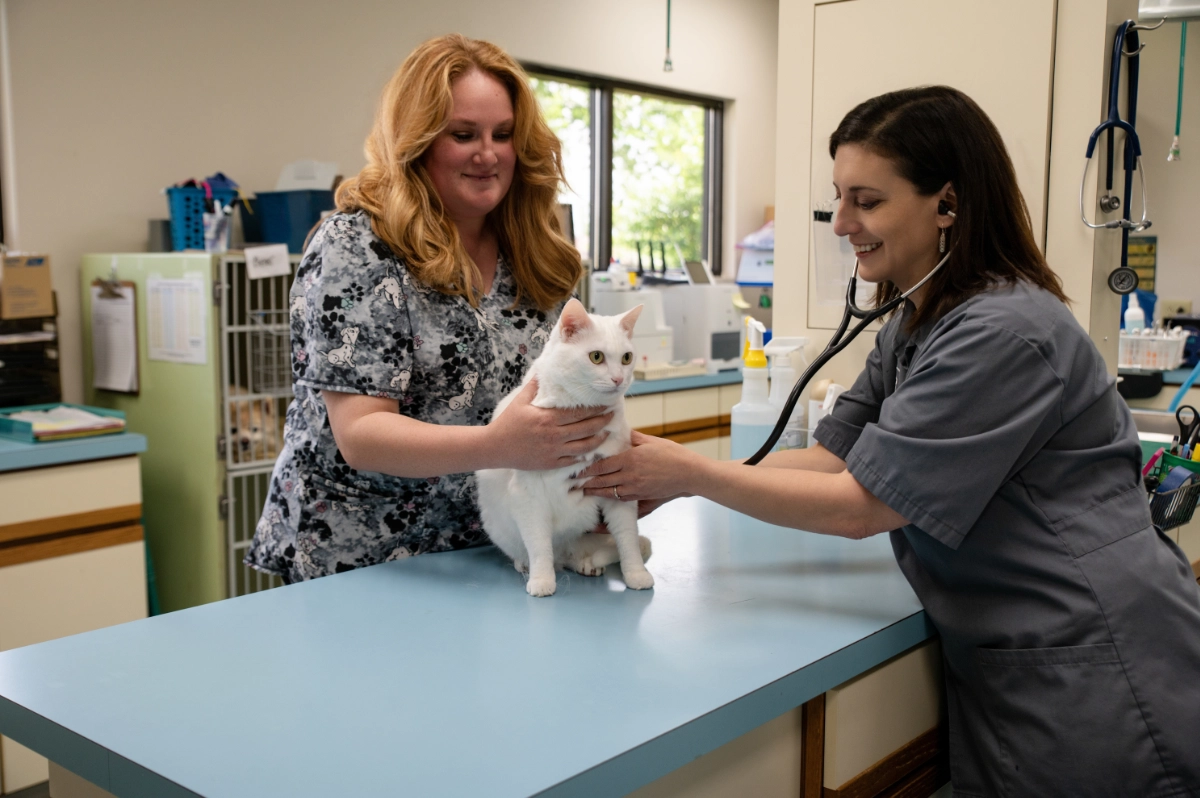
Diagnosis starts with a thorough physical exam and a conversation about your pet’s history, diet and habits. From there, our veterinary team typically recommends:
- Bloodwork to measure kidney values such as creatinine, BUN and SDMA, along with electrolytes and red blood cell counts
- Urinalysis to check how well the kidneys concentrate urine and to look for protein, infection or crystals
- Blood pressure checks, since high blood pressure is common with kidney disease and can damage the eyes, heart and brain
- Imaging when needed to look for stones, blockages or changes in kidney size and shape
These results help us stage the disease so we can match treatment to where your pet is today. Senior screening bloodwork during annual exams is one of the best ways to catch kidney changes before symptoms appear.
Treatment and Long-Term Management
While chronic kidney disease cannot be cured, the right plan can slow its progress and help your pet feel much better. Depending on the stage, treatment may include:
- Kidney-support diets with controlled phosphorus and high-quality protein to reduce the kidneys’ workload
- Fluid therapy, either in the hospital or as subcutaneous fluids you can learn to give at home
- Medications to control nausea, stimulate appetite, lower blood pressure, reduce protein loss or bind phosphorus
- Regular rechecks of bloodwork, urine and blood pressure so we can adjust the plan as needed
Our on-site pharmacy keeps many kidney-support medications and diets close at hand, and you can request ongoing medications through our prescription refill page. Acute kidney injury, especially after a toxin exposure, often requires hospitalization and IV fluids. If you suspect your pet ate something toxic, call us right away or review our emergency services information.
Supporting Your Pet at Home
Small daily habits make a real difference for pets living with kidney disease:
- Keep fresh water available at all times and consider a pet fountain to encourage drinking
- Offer wet food when possible to boost hydration
- Avoid giving human foods, jerky treats or over-the-counter pain relievers without talking to us first
- Track appetite, weight, water intake and litter box or potty habits between visits
Keeping teeth healthy also matters, since dental disease can add strain to the kidneys and other organs. Maintaining a healthy weight helps too, so ask us about our approach to obesity if your pet is carrying a few extra pounds. To help with the cost of ongoing care, many families look into pet insurance or financing through CareCredit.
Frequently Asked Questions About Kidney Disease
Can kidney disease in pets be cured?
Chronic kidney disease cannot be cured, but it can often be managed for months or even years with diet changes, fluids, medications and regular monitoring. Some cases of acute kidney injury can recover if treated quickly.
How long can a pet live with kidney disease?
It depends on the stage at diagnosis and how well the pet responds to treatment. Pets diagnosed early and managed consistently may enjoy a good quality of life for years, while advanced cases may have a shorter outlook.
Are cats more likely to get kidney disease than dogs?
Yes. Chronic kidney disease is especially common in senior cats, though dogs can develop it too. Both species benefit from screening bloodwork and urinalysis as they age.
What causes kidney disease in dogs and cats?
Aging is the most common factor in chronic cases. Other causes include genetics, infections, kidney stones, high blood pressure, dental disease and exposure to toxins such as antifreeze, lilies, grapes and certain medications.
How often will my pet need rechecks?
Most pets with kidney disease need rechecks every few weeks to every few months, depending on their stage and how stable they are. We will set a schedule that fits your pet’s needs.
Do I need to change my pet’s food?
In most cases, yes. A prescription kidney diet is one of the most effective ways to slow the disease. We can help you choose a diet your pet will eat and transition to it gradually.
Where can I get kidney disease care for my pet in Dayton, OH?
Shiloh Animal Hospital at 5321 N Main St in Dayton, OH diagnoses and manages kidney disease in dogs and cats. Call (937) 278-3484 to schedule an exam.
Give Your Pet the Support They Need
If your dog or cat is drinking more, eating less or losing weight, don’t wait. A simple exam and screening tests can reveal kidney changes early, when treatment makes the biggest difference. Call Shiloh Animal Hospital at (937) 278-3484 or request a visit online.